Nourishing Body and Mind through Chinese Dietary Therapy with Nutritionist-Recommended Tonic Soups
For many people in Hong Kong, health and wellness are core tenets of a good life. For women in particular, tonic soups are not only part of their diet but also a ritual of self-care, a way to replenish the body while offering a moment of calm on a busy day. To better understand the benefits of tonic soups for women, we spoke with Violet Man, Vice Chairman of the Hong Kong Dietitians Association, and an Australian Registered Nutritionist. She shared how a bowl of soup can be both comfort and science, culture and nourishment.
The Wisdom of Nourishing through Food
The appeal of soup lies in its simplicity. Ingredients are gently simmered, their nutrients released into a form that is easy for the body to absorb. Many tonic soups are rich in potassium, vitamin C, iron, dietary fibre and many more nutrients that support everything from circulation to digestion. “Soup is more than something we eat. It reflects a philosophy of nourishing the body through food,” Violet explained. “Women’s nutritional needs shift across different stages of life, from adolescence and pregnancy to menopause. In the rush between work and family, many women do not drink enough water. Soup becomes a natural and comforting way to support hydration, regulate body processes, promote metabolism, improve circulation, aid detoxification and even enhance skin health. During seasonal transitions or periods of fatigue, a warm bowl of soup can also relief, a small pause that soothes both body and mind.”
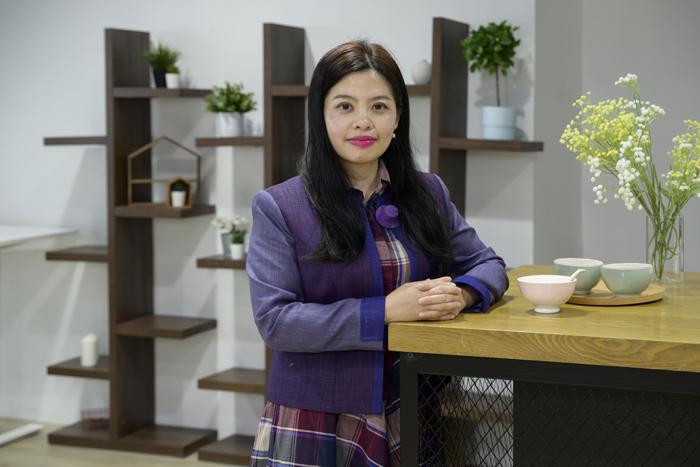
Violet explained that soup is more than part of a meal. It is also a wellness philosophy.
A Closer Look at Key Nutrients
Eating out is common in Hong Kong, but restaurant meals often contain excessive salt (sodium). Violet explained that high sodium intake can lead to water retention, elevated blood pressure and added strain on the cardiovascular system. Potassium plays a crucial counterbalancing role, helping to regulate blood pressure, maintain nerve and muscle function, and support fluid balance and heart rhythm. “Foods rich in potassium include seaweed, snow fungus, shiitake and other mushrooms, broccoli, spinach, watercress, wolfberries, potatoes, lotus roots and beetroot. Beans such as red beans, soybeans and black beans are especially valuable, providing not only potassium but also abundant dietary fibre. Fibre supports healthy digestion, helps lower cholesterol, stabilises blood sugar levels and assists with weight management."
Other fibre-rich foods include carrots, corn, onions, lotus roots, spinach, beetroots, water chestnuts, and chayote. Many vegetables also supply vitamin C, a powerful antioxidant that protects cells from free radical damage and supports collagen production, and slows down ageing. Broccoli, cauliflower, tomatoes, mustard greens, lotus roots and papaya are amongst the most common sources.
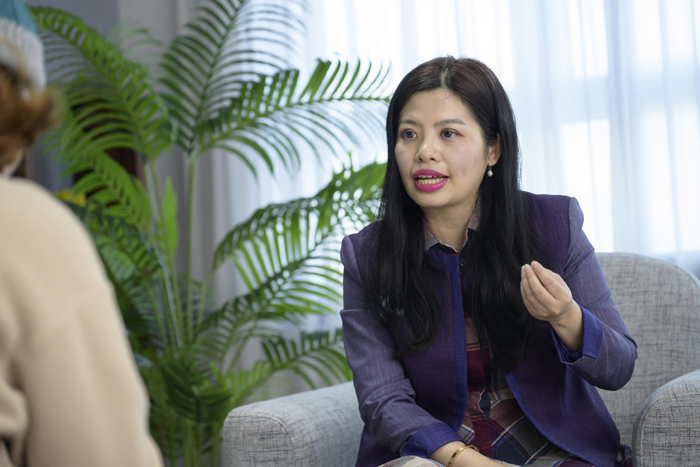
Violet pointed out that iron is of particular importance for women’s health. Women who menstruate or are pregnant are especially vulnerable to iron deficiency, which may result in anaemia, fatigue and dizziness.
Iron is another nutrient of particular importance for women. Red meat, seafood, eggs, soybeans, cashews, peanuts, spinach, fungus and beetroot all contain significant amounts. Without sufficient iron, the body struggles to produce enough haemoglobin for the red blood cells to carry oxygen to tissues and organs. Women who menstruate or are pregnant are especially vulnerable to iron deficiency, which may result in anaemia, fatigue and dizziness.
Choosing the Right Soup for Every Stage of Life
Violet emphasised that there is no single soup that suits everyone. The key is to choose ingredients that align with age and health needs. Adolescent girls should focus on soups rich in protein, fibre and iron to support growth and development. Women after menstruation or during pregnancy benefit from increased iron and protein intake to reduce the risk of iron deficiency anaemia. For middle-aged and older women, calcium-rich ingredients support bone health and help prevent osteoporosis. Women managing chronic conditions such as hypertension or diabetes should opt for soups that a low in salt and sugar. Vegetarians can meet their iron needs through dark green leafy vegetables and legumes. She added, “those who feel persistently tired may benefit from soups rich in folic acid and vitamin C, while women with digestive issues should prioritise soups rich in fibre."
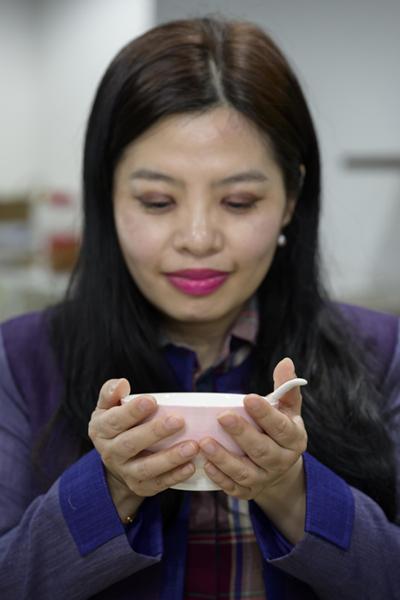
Violet recommended that women choose soup ingredients based on their age and health needs.
Preparation matters as much as ingredients. To retain nutrients, Violet recommended placing ingredients in room-temperature water and simmering gently over low heat, keeping the soup at a slight boil to prevent high temperatures destroying delicate nutrients. Seasonings should be added only after cooking to minimise sodium intake. Soup is best consumed before or during meals, as it increases satiety and may help reduce overall calorie consumption, to making it a practical ally in weight management.
Nutritionist-Recommended Tonic Soups
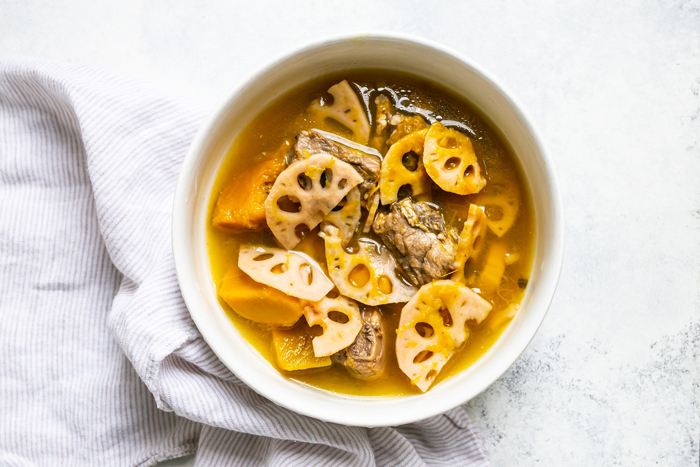
Lotus root, pumpkin and pork soup (Serves 4)
Ingredients
200g lean pork
1L water
150g pumpkin (peeled with seeds removed)
120g lotus root
5g ginger
Salt
Directions
- Rinse the lean pork.
- Blanch the lean pork for 2 to 3 minutes, drain and rinse again, then place it in a slow cooker.
- Add water, pumpkin, lotus root, and ginger to the slow cooker. Cook on high heat for at least 2 hours, or on low heat for 3 to 4 hours. The time can be adjusted according to personal taste; for a richer flavour, extend the cooking time to 4 hours on high heat or 6 to 8 hours on low heat.
- Season lightly with salt before serving.
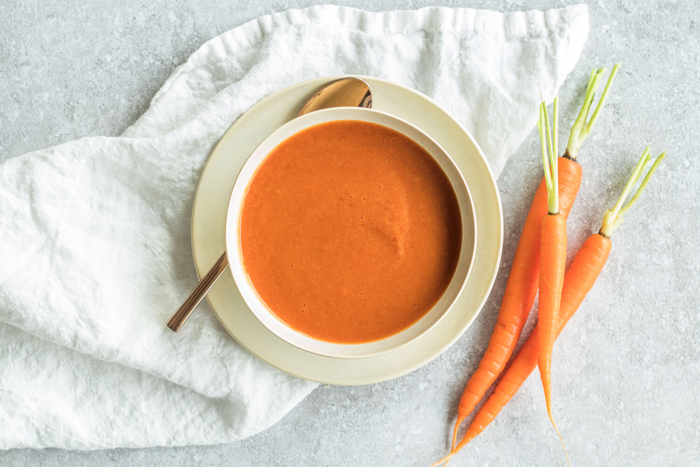
Carrot and beetroot soup (Serves 2)
Ingredients
2 carrots
1 beetroot
1L water
Salt
Pepper
Directions
- Dice carrots and beetroot.
- Put vegetables into a pot, bring to a boil, and then turn to low heat. Cover and simmer for about 5 minutes until tender.
- Pour all ingredients into a blender and blend until smooth.
- Season lightly with salt and pepper and serve.
The views expressed above are those of the interviewee and do not necessarily reflect the position of the Family and Women Portal.