Uncovering the Causes of Infertility: How Assisted Reproductive Technology Helps Couples Realise Their Parenthood Dreams
Fertility challenges are common among couples in modern society, with research indicating that infertility affects one in every six couples globally. With advancements in technology, Assisted Reproductive Technology (ART) offers hope to those struggling to conceive. This article looks into the major forms of ART, and provides psychological and dietary recommendations to support conception.
Causes of Infertility
Dr Jacqueline Chung Pui-wah, Associate Professor in the Department of Obstetrics and Gynaecology of the Faculty of Medicine at CUHK, explains that infertility in couples of childbearing age can stem from various factors and is not solely attributed to either the male or female partner.
“In general, male and female factors each account for 40% of infertility cases. The remaining 20% are due to unknown causes or shared issues. Unknown causes refer to cases where no clear reasons are identified despite thorough testing, while shared issues involve sexual dysfunction or coordination issues. One-third of affected couples may face multiple issues simultaneously.
For men, infertility is often linked to semen abnormalities—particularly sperm count, motility or morphology, which can affect fertilisation success. For women, factors like fallopian tube blockages, uterine fibroids, adenomyosis, endometrial polyps, or endometriosis may hinder embryo implantation and pregnancy. Additionally, being underweight or overweight, as well as unhealthy habits such as smoking and excessive alcohol consumption can also negatively impact fertility."
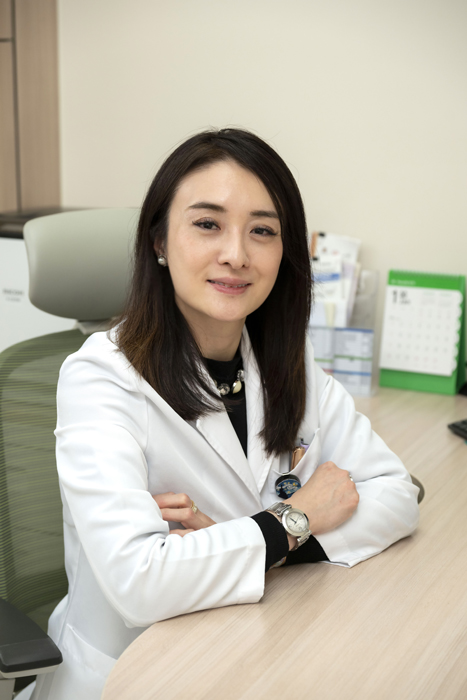
Dr Jacqueline Chung Pui-wah, Associate Professor in the Department of Obstetrics and Gynaecology of the Faculty of Medicine at CUHK, explains that infertility in couples of childbearing age can stem from various factors and is not solely attributed to either the male or female partner.
Solving Infertility with Technology
Dr Chung outlines the diagnostic process for infertility: before proceeding with infertility testing, couples undergo an initial consultation to review their medical history and any previous fertility treatments. For women, the evaluation process includes assessing menstrual health, hormonal blood tests, ovulation monitoring, along with imaging studies such as hysterosalpingograms and transvaginal ultrasound scans. For men, a semen analysis is conducted to assess sperm health. Once diagnostic tests are complete, the doctor will recommend an appropriate ART treatment plan. Women may also undergo pre-pregnancy health screenings—including tests for haemoglobin levels, thalassemia, and Rubella immunity—to help ensure a healthy pregnancy.

Before proceeding with infertility testing, couples undergo an initial consultation to review their medical history or any previous fertility treatments.
ART offers medical solutions to assist with conception and is most often used to address infertility. Common ART techniques include:
- Intrauterine Insemination (IUI) – This involves placing processed sperm directly into the uterine cavity to enhance the chances of natural fertilisation. This straightforward and low-risk procedure is ideal for couples with mild sperm issues or ovulation disorders.
- In-vitro Fertilisation (IVF) – IVF begins with stimulating the ovaries with medication to produce multiple eggs, which are then retrieved and fertilised in a laboratory. The resulting embryos are cultured and transferred into the uterus. IVF is effective for couples with fallopian tubes blockages, endometriosis, or severe male infertility.
For more complex infertility cases, techniques such as Intracytoplasmic Sperm Injection (ICSI) can offer solutions.

Open communication about financial management, work schedules, and daily routines is crucial.
Boosting Fertility through Physical and Mental Well-being
Dr Chung emphasises the importance of early planning and emotional well-being for couples trying to conceive, and that couples should manage expectations realistically. “ART does not have a 100% success rate and couples should be mentally prepared for multiple trials. Open communication about financial management, work schedules, and daily routines is crucial. Doctors may also offer psychological support or referrals to counselling if needed. We recommend that women preparing for pregnancy take folic acid supplements and maintain a balanced diet to support healthy fetal brain development,” Dr Chung added.