From Concept to Action: Gender Mainstreaming Takes Root in Hong Kong
2025 marks the 30th anniversary of the United Nations’ (UN) Fourth World Conference on Women held in Beijing in 1995. At this milestone event, representatives from 189 countries and regions adopted the landmark Beijing Declaration and Platform for Action, outlining ambitious goals across 12 critical areas — including education, the economy, and poverty alleviation — to elevate the status of women and advance gender equality. Among the key strategies established is gender mainstreaming, which emerged as a global framework essential for women’s development. More than safeguarding women’s rights, gender mainstreaming is the cornerstone of genuine gender equality and inclusive society.
‘Gender mainstreaming’ is a UN-endorsed global strategy aimed at promoting women’s rights and gender equality.
Gender Mainstreaming: From Concept to Action
Gender mainstreaming is a global strategy advocated by the UN, aiming at promoting women’s advancement and gender equality. Established in the Beijing Platform for Action adopted at the United Nations' Fourth World Conference on Women held in Beijing in 1995, it calls for integrating gender perspectives and needs as one of the mainstream considerations in the design, implementation, monitoring, and evaluation of legislation, policies, and programmes. This approach analyses the effects made on women and men respectively, to ensure that both have equitable access to societal resources and opportunities, for achieving full gender equality.
Joyce Chan Lok-nga, Commissioner for Women Affairs from the Home and Youth Affairs Bureau, emphasises gender mainstreaming is more than a concept but represents concrete actions. At its core, gender mainstreaming is the integration of gender perspectives throughout all stages of policymaking and social planning to ensure equal consideration of both men’s and women’s needs. Since April 2015, all government bureaus and departments are required to adhere to the Gender Mainstreaming Checklist when developing major policies and initiatives. The Government has reviewed more than 1,800 policy documents to date to ensure the needs of women are addressed before policies are implemented.
“For example, during urban development planning, the Government allocates sufficient space for public facilities, such as social welfare facilities, to meet the community’s needs. With the role of caregivers often falling on women, these facilities help ease their burden and support their participation in the workforce.”
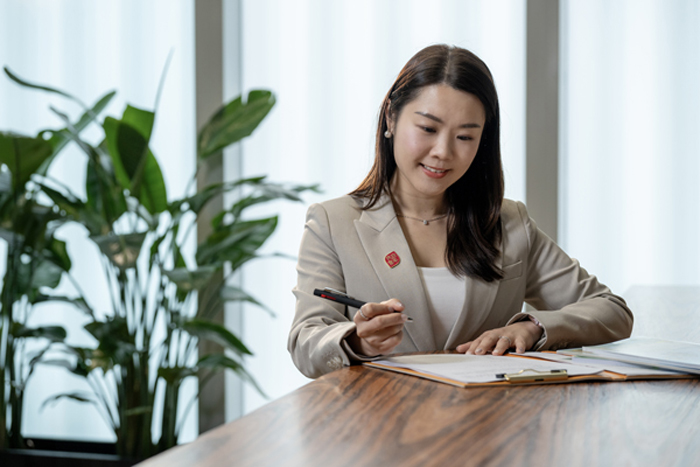
Joyce Chan Lok-nga,
Commissioner for Women Affairs from the Home and Youth Affairs Bureau, notes that Hong Kong’s openness and diversity create fertile grounds for advancing gender equality.
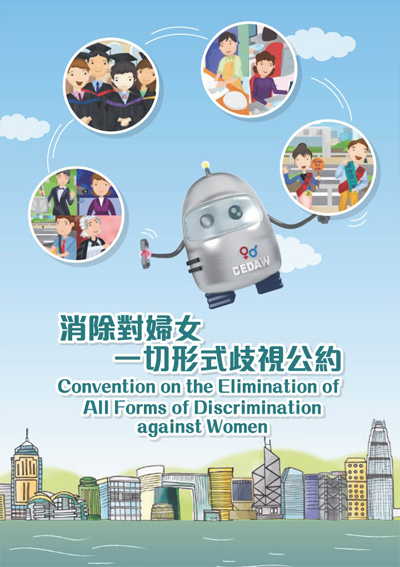
The UN's Convention on Elimination of All Forms of Discrimination Against Women was extended to the Hong Kong Special Administrative Region in 1996.
The UN’s Convention on the Elimination of All Forms of Discrimination Against Women (CEDAW) was extended to the Hong Kong Special Administrative Region (HKSAR) in 1996, and Hong Kong attaches great importance to protecting women against discrimination, unfair treatment, and violence.
HKSAR has been implementing CEDAW through the provisions of the Basic Law and local laws, complemented and supplemented by the necessary administrative measures to safeguard the rights of women in Hong Kong including employment, labour, and education. For instance, paternity leave entitlement was increased from three to five days with effect from 2019, and maternity leave was extended from 10 to 14 weeks with effect from 2020. In June 2020, the Government enacted the Discrimination Legislation (Miscellaneous Amendments) Ordinance 2020 to enhance protections under four anti-discrimination Ordinances, including the protection from discrimination against breastfeeding women and harassment in common workplaces. These measures strengthen the foundation for women’s development.
Beyond the Government, various institutions in Hong Kong promote gender equality through policies. One example being the Hong Kong Exchanges and Clearing Limited (HKEX), which introduced a board diversity rule in 2022 requiring listed companies to have gender-diverse boards, setting a prime example for gender mainstreaming in corporate governance.
“Currently, over 99 per cent of listed companies in Hong Kong have at least one female director on their boards. When it comes to professional sectors, more than half of Hong Kong’s certified public accountants and solicitors holding practising certificates are women, demonstrating a significant progress in breaking the glass ceiling in the workplace,” says Chan.
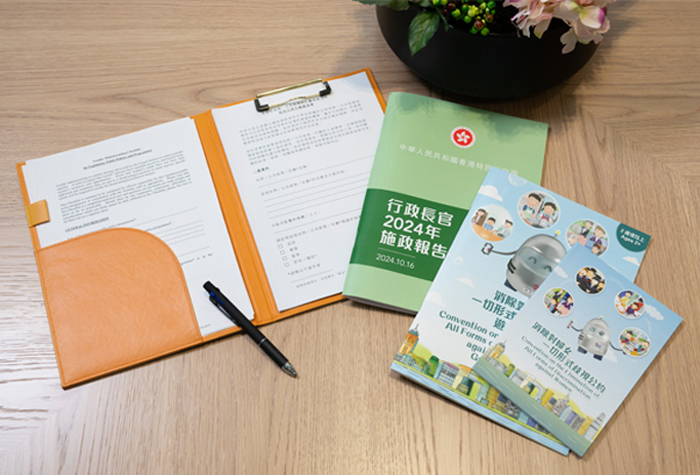
The Hong Kong society promotes gender equality through policies, leading to a significant progress in breaking the glass ceiling in the workplace.
Societal, Cultural, and Economic Influences
Despite the encouraging progress, Chan acknowledges that existing attitudes still present obstacles to advancing gender mainstreaming across different sectors. “Hong Kong's openness and diversity create a favourable environment for promoting gender equality. Women’s participation in education and the labour force has increased since the 1997 handover. However, some existing social culture and norms may impact the pace of advancement.”
Chan notes that social, cultural and economic factors interact with each other and influence gender equality advancements. Socially, families, schools, and the social climate shape individuals’ gender perceptions and roles. Culturally, the integration of traditional and modern values supports more diversified gender roles. Economically, women’s status and opportunities expanded with the city’s development and the evolving job market. True gender mainstreaming and gender equality requires a comprehensive approach that considers these factors and implements dynamic, inclusive policies.
The Importance of Education and Public Awareness
Education and outreach play a crucial role in advancing gender mainstreaming. Since September 2022, the Women’s Commission has been organising talks on CEDAW at kindergartens and primary schools. Through these interactive sessions, children learn about gender equality and respects diversity from an early age.
The Home and Youth Affairs Bureau has also developed online platforms and courses on gender mainstreaming, serving both as promotional tools and references for government officers and the public. “We have trained about 17,000 government officers to raise their awareness of gender issues and gender mainstreaming,” says Chan.
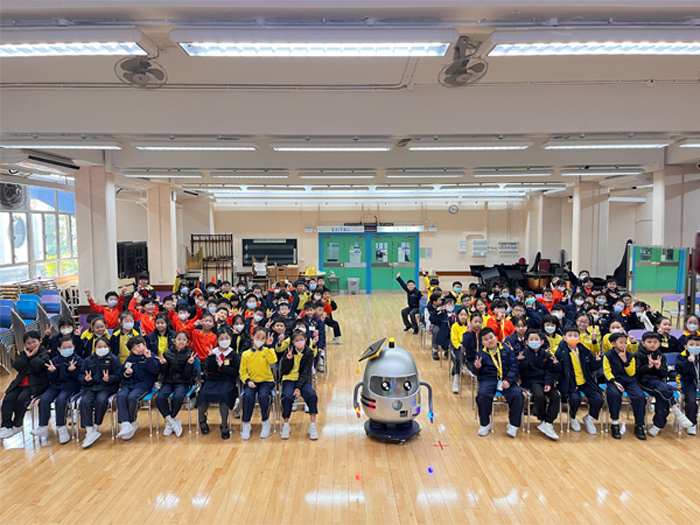
The Women's Commission organises school talks on the Convention on the Elimination of All Forms of Discrimination Against Women to share about gender equality.
Building a Gender-Equal Future Together
Chan believes achieving gender mainstreaming requires collective effort. “The Government, NGOs, businesses, and individuals all play essential roles in advancing gender equality.” Incorporating gender perspectives, and seeing the perspectives and needs of both women and men and women, ensures the policies and programmes at every level support the full potential of both genders, leading to greater efficiency and impact.
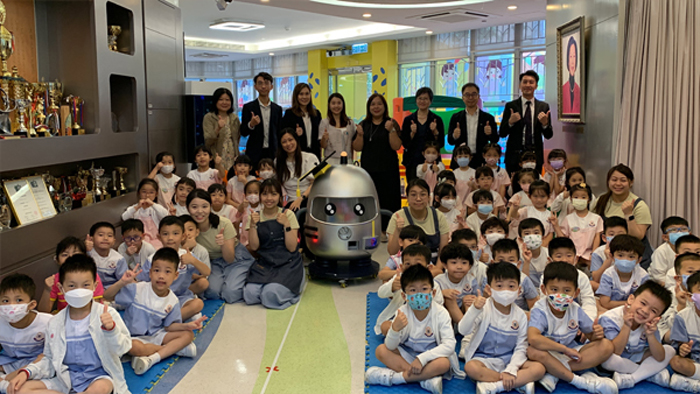
The Home and Youth Affairs Bureau has developed online gender mainstreaming resources for government officers and the public.
From concept to action, gender mainstreaming is now embedded across various levels of Hong Kong society. It is an ongoing journey that requires collaboration from all sectors of society. Only when policies, business decisions, and everyday interactions are grounded in gender perspectives can Hong Kong evolve into a truly inclusive and prosperous society.
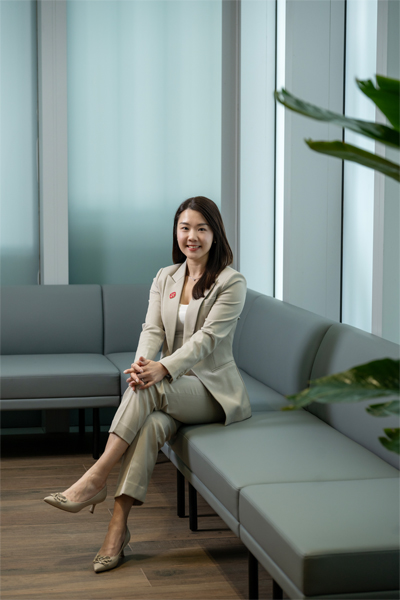
Joyce Chan Lok-nga, Commissioner for Women Affairs from the Home and Youth Affairs Bureau, says the success of gender mainstreaming requires collaboration from all sectors of society.